
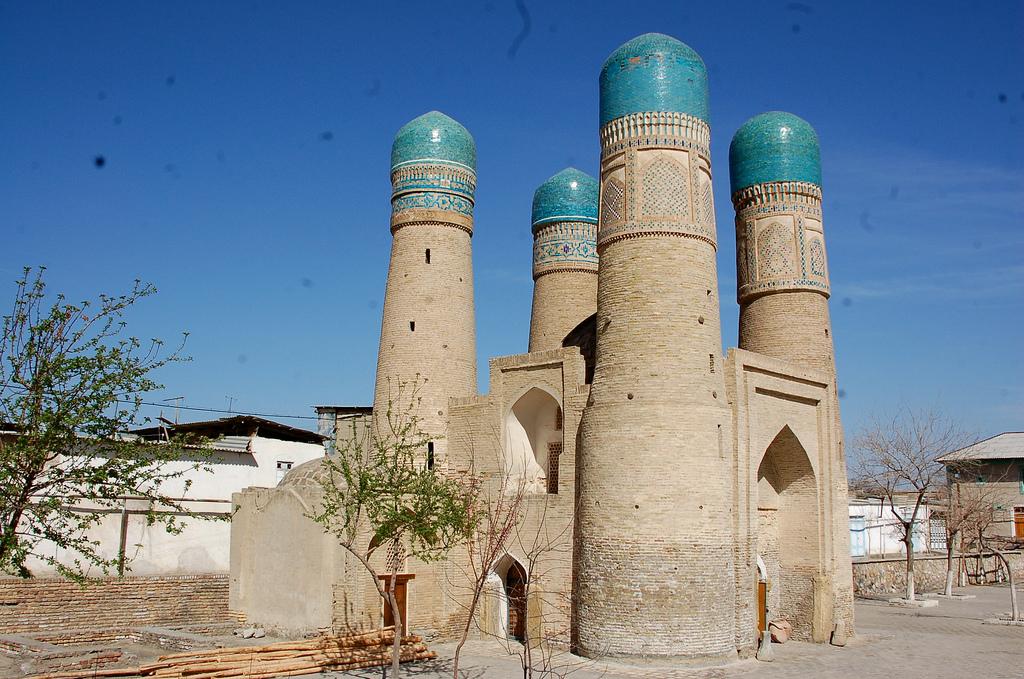
Chashma-Ayub Mausoleum
The Chashma-Ayub Mausoleum is one of the most unique and spiritually significant historical monuments in Bukhara. The name “Chashma-Ayub” means “Job’s Spring,” and the site is closely connected to the legend of the prophet Job, known in Islamic tradition as Ayub.
According to local legend, during a severe drought in Bukhara, Ayub struck the ground with his staff, causing a spring of fresh water to emerge. The spring became sacred, and people believed its water had healing properties. Over time, a mausoleum and religious complex were built around this holy site, turning it into an important place of pilgrimage.
The present structure mainly dates back to the 14th century during the reign of Tamerlane, although parts of the complex were added and restored in later centuries. Architecturally, Chashma-Ayub is notable for its unusual conical dome, which differs from the more common domes found in other monuments of Bukhara. The building combines elements of different architectural styles that reflect various historical periods.
Inside the complex, visitors can see the sacred spring as well as historical exhibits related to water systems and the history of Bukhara. The peaceful atmosphere and religious significance of the site make it one of the city’s most respected landmarks.
Today, the Chashma-Ayub Mausoleum remains an important cultural and spiritual destination for both pilgrims and tourists, offering visitors a deeper connection to the legends, history, and architectural heritage of Bukhara.